BUY IT ON AMAZON
Ada Negri (1870–1945) is one of the most widely read − and most passionately debated − Italian poets of the late nineteenth and early twentieth centuries. Her name is bound to a paradox: she emerged as the fierce lyric voice of the dispossessed, writing of factory labour, female endurance, and social injustice, yet later became absorbed into the cultural pantheon of official Italy.
—————
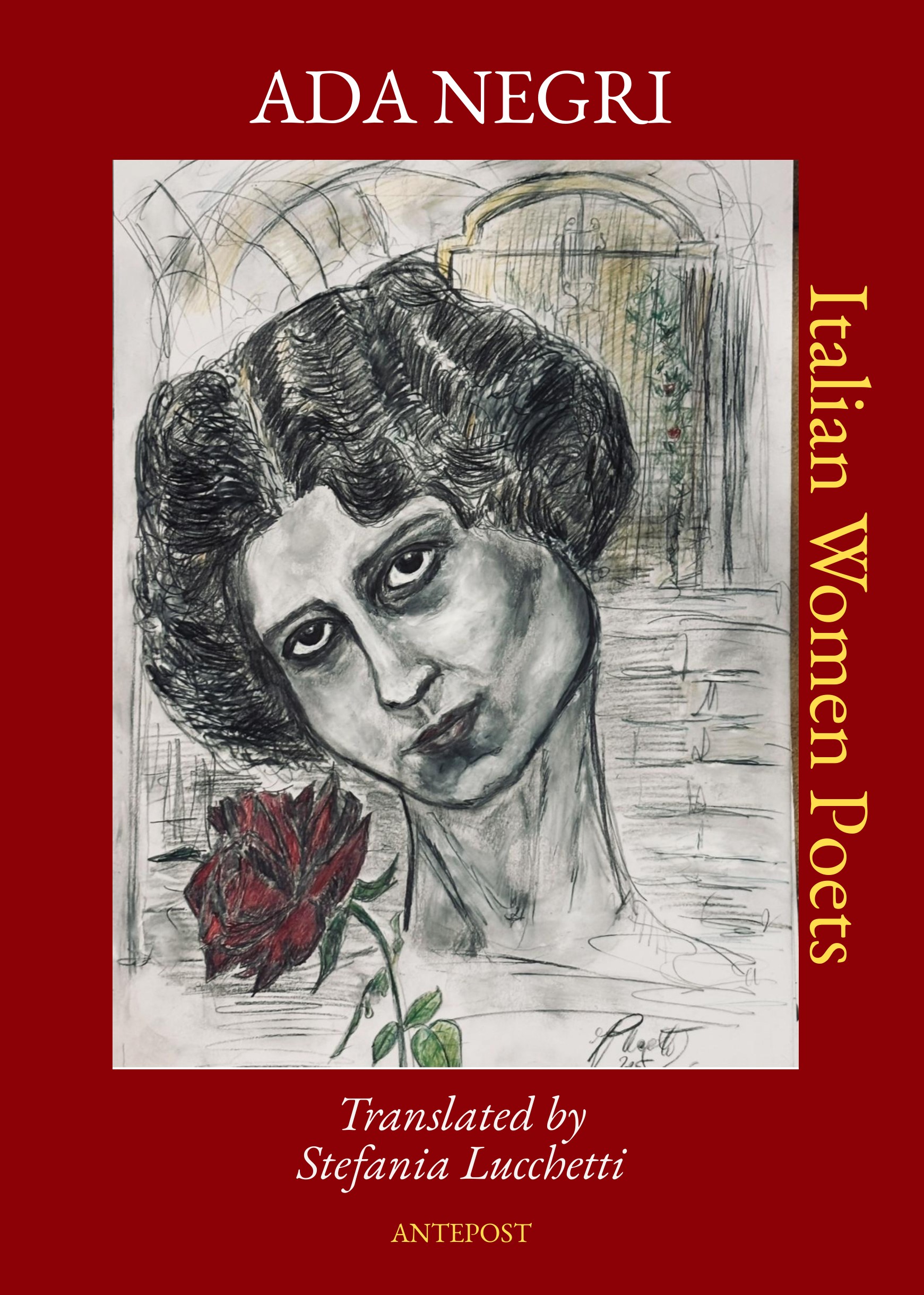
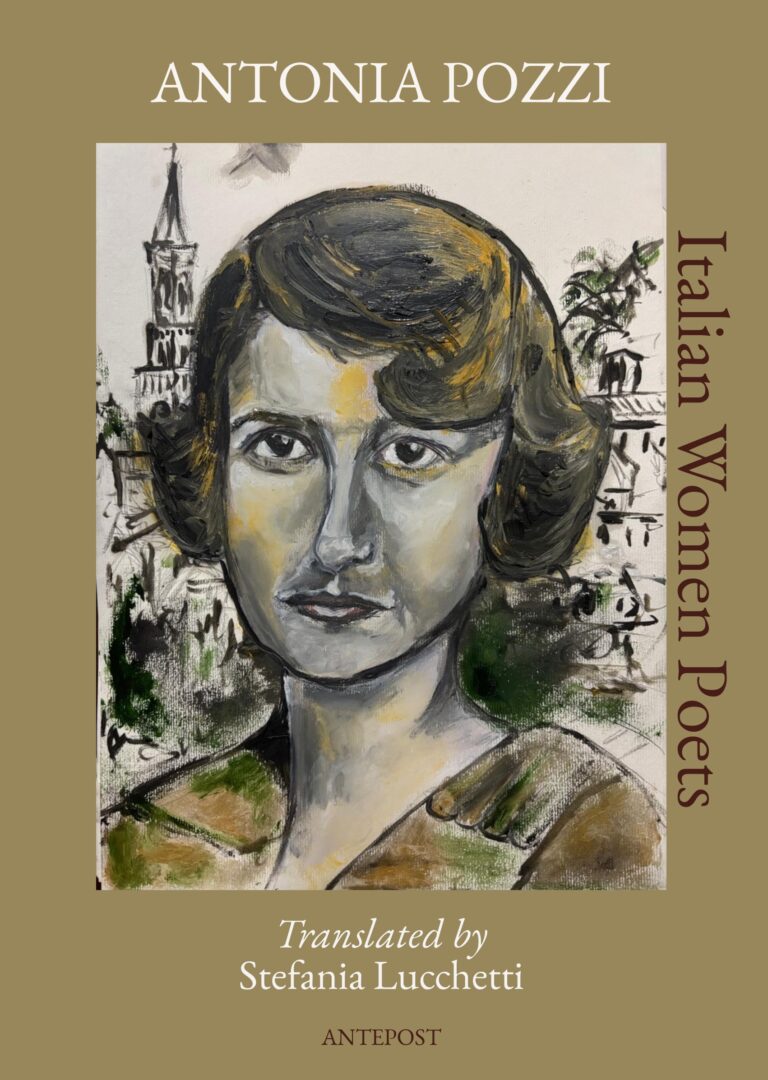
Cover art: Ada Negri, portrait by Italian painter Francesca Draetta (c) 2026
—————
To read Negri is to follow a long arc of transformation: from the fiery realism of her early, “popular” poetry to a later style shaped by solitude, memory, and an increasingly inward spiritual gravity.
Her poetic voice is forged at the meeting point of necessity and lyrical exaltation. Rooted in lived hardship, her work transforms experience into music. Even when she speaks of poverty, labour, hunger, or death, Negri is never merely documentary; she transfigures experience into a moral and emotional intensity that insists on human dignity. Her poems endure because they do not look away, speaking from within fatigue and suffering, from within both social violence and intimate life.
In this bilingual edition, Italian award-winning contemporary poet Stefania Lucchetti invites English-speaking readers into Negri’s profound interior world. Lucchetti’s translations seek the intimate voice at the heart of Negri’s poetry: a woman who endured hardship and lived in intellectual solitude, observing both others’ lives and her own emotions with courageous clarity. Faithful yet fluid, these versions preserve the original voice while allowing it to breathe in a new language.
Presented without heavy commentary – because poetry must be felt rather than explained − this collection offers a rare encounter with a poet whose long literary life speaks to continues to speak with a profound voice.