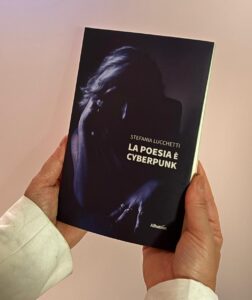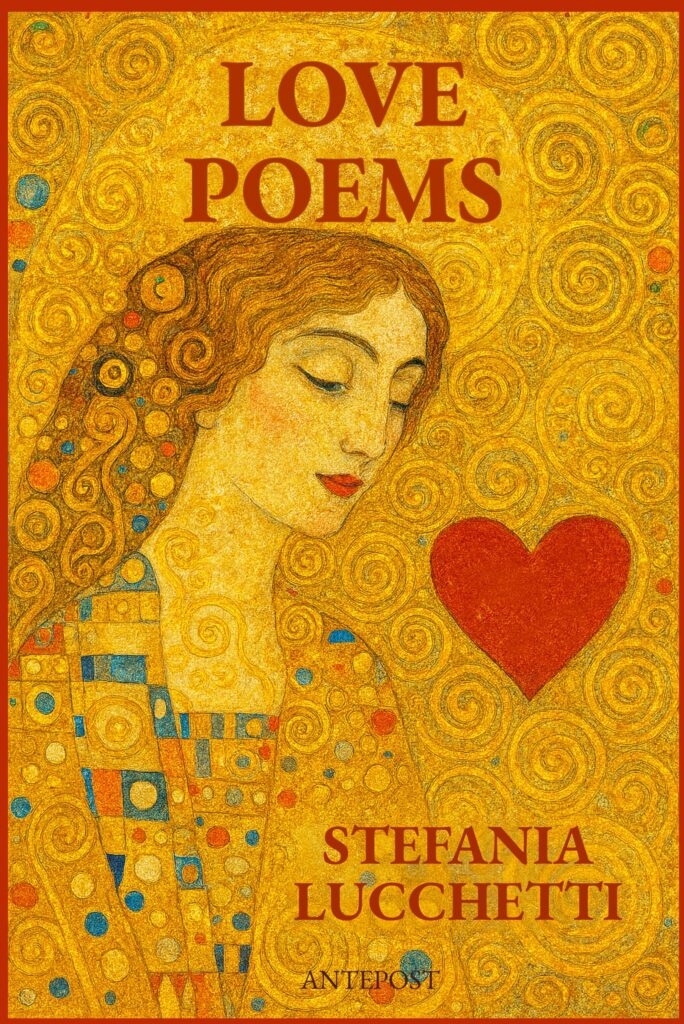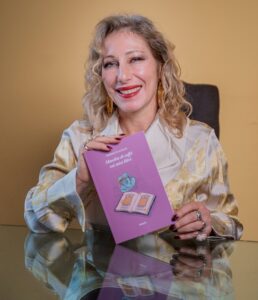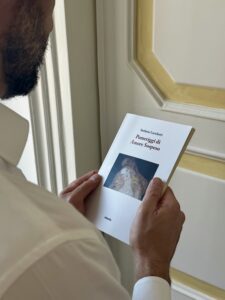
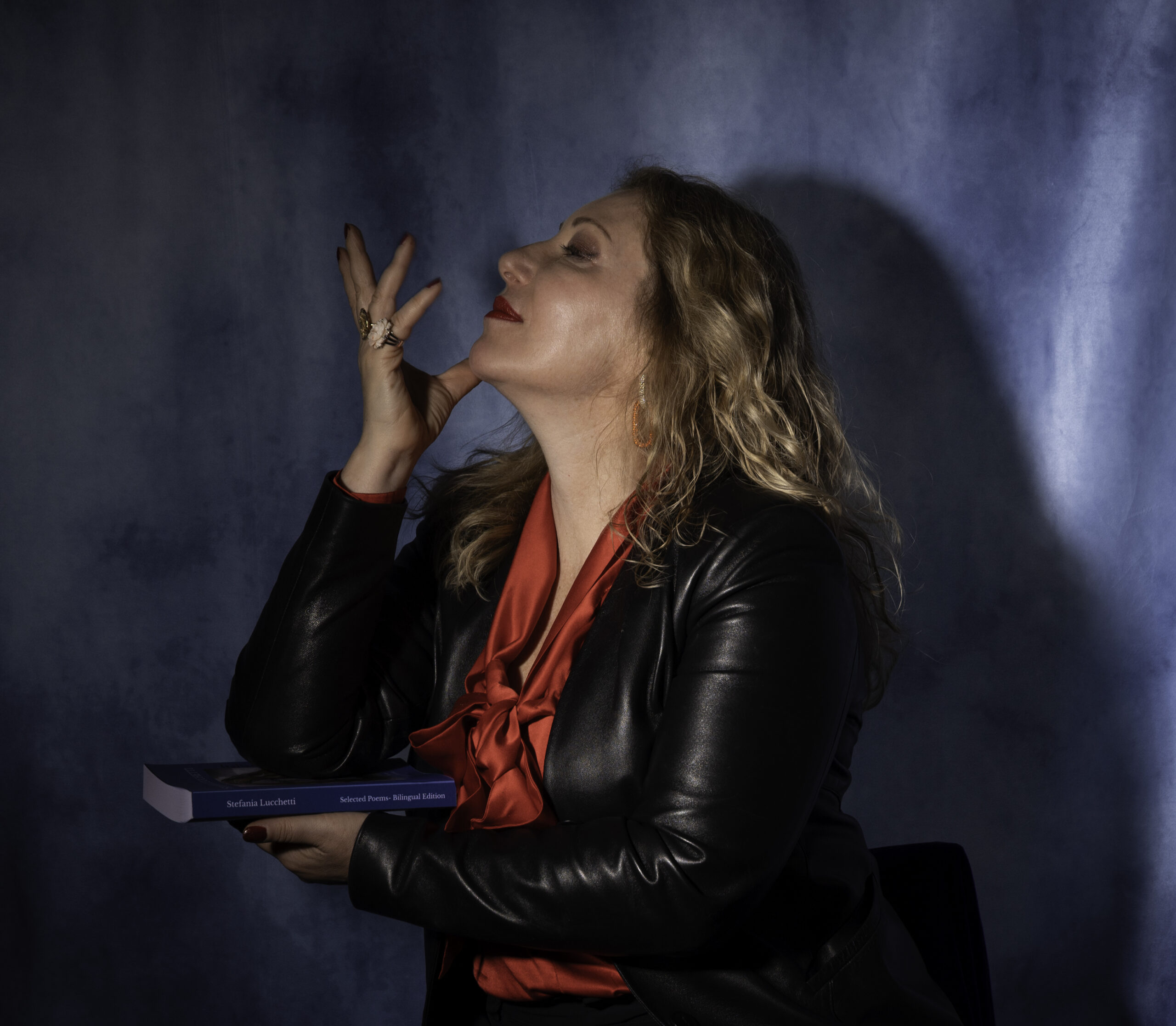
Photo: Stefania Lucchetti, portrait by Italian art photographer Emma Terenzio
Where does your inspiration come from?
For me, writing begins as an intimate and necessary gesture: it is an attempt to hold on to what slips away, to transform the everyday into meaning, to give voice to all moments of life, even those that are most confused and ambiguous.
In my work, I try to make space for all the stories, emotions, and thoughts that escape linear narratives, yet hold the deepest sense of existence.
So poetry is part of life?
For me, poetry is a daily act. It is the possibility of slowing one’s perception of a reality that, by its very nature, compels us toward speed and superficiality.
Poetry, therefore, is not an escape, but a radical return to the present:a way of reconnecting with what unfolds around us.
In this sense, poetry becomes both an exercise in resistance and an act of care: resistance against the homogenization of thought, and care toward oneself and others through attention. It is an act of presence that compels us to pause, to listen, to name reality.
Writing means opening a space for encounter. It is not merely about expressing my own voice, but about generating resonance in others: those who read bring their own experiences and transform the text into something living and shared.
You write in two languages: Italian and English.
Yes, a central element of my work is its bilingual dimension. Translation is never merely a linguistic transposition, but an act of crossing: it allows new nuances to emerge, enables one to move between two linguistic and cultural identities, and brings different worlds into dialogue.
Writing in two languages means expanding horizons, while at the same time rediscovering a common root in the humanity that unites us.
What does it mean to write poetry?
For me, writing poetry is both an act of creation and of revelation. Each chosen word, each evoked image, seeks to build a bridge between soul and thought: a bond that transcends time and space.
Through my books, I hope to offer not only words, but also moments of reflection, keys through which to read one’s own complex emotional universe.
Every feeling – even the most intense and seemingly disordered – has its place and its voice, becoming part of being, of flowing, of becoming, with the hope of touching hidden strings and awakening new emotions within the brief time each of us is given.
What is the role of poetry in the modern world?
In a world of data, of constant information, of time that slips endlessly away, we no longer have the time to stop and think. Poetry compels us to pause, if only for a moment, and reflect. That concise, striking reflection then lingers, accompanying thought throughout the day.
For this reason, in a world where reading declines and information flows incessantly – leaving ever less room for reflection – poetry can become a refuge of humanity. It offers a brief yet profound opportunity for condensed thought: a small dose of philosophy and meditation, capable of interrupting and even “hacking” the endless, often superficial stream of data that defines our daily lives.